Niagara Escarpment & Bruce Trail
Ancient cliffs, panoramic lookouts, and Canada's oldest marked footpath
The Niagara Escarpment
A UNESCO World Biosphere Reserve that defines Owen Sound's landscape, the Niagara Escarpment is one of the most significant geological features in eastern North America.
A Living Landscape
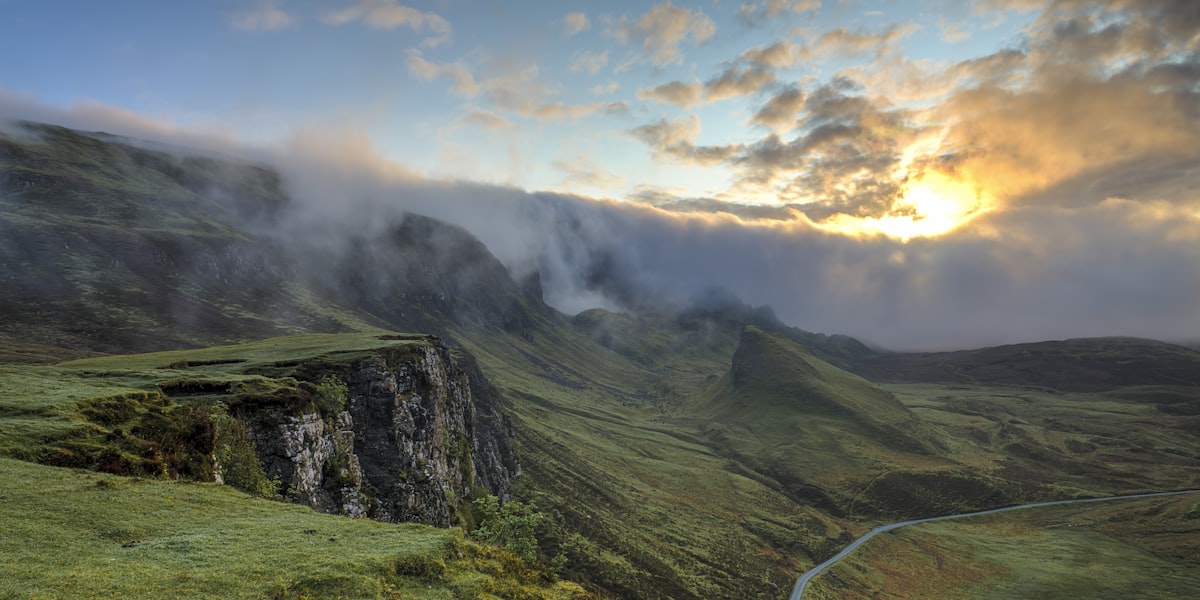
The Niagara Escarpment stretches over 700 kilometres from Queenston on the Niagara River to Tobermory at the tip of the Bruce Peninsula. Near Owen Sound, the escarpment rises dramatically from the lowlands, creating the cliffs, gorges, and waterfalls that define the city's landscape. This ancient geological formation, made of dolomite and limestone, was shaped by glacial forces over millions of years.
The escarpment is home to some of the oldest trees in eastern North America. Eastern white cedars clinging to the cliff faces have been dated to over 1,000 years old. The diverse habitats along the escarpment support rare ferns, orchids, and a rich variety of bird species that make this area a destination for naturalists and ecologists.
The Bruce Trail
Canada's oldest and longest marked footpath passes through Owen Sound, offering some of the trail's most dramatic scenery.
Sydenham Section
The Sydenham section of the Bruce Trail passes through the Owen Sound area, linking Inglis Falls Conservation Area with the broader trail network. This section features dramatic cliff-edge views, dense forest passages, and connections to multiple waterfall access points. Day hikers can choose from several loop options ranging from 3 to 15 kilometres.
Escarpment Lookouts
Several access points near Owen Sound lead to panoramic lookouts over Georgian Bay and the surrounding farmland. The views from the escarpment edge near Inglis Falls and along the Sydenham section reveal the full sweep of the bay's shoreline. Autumn is the prime season for lookout visits, when the hardwood forest canopy blazes with colour.
Conservation Areas
Grey Sauble Conservation Authority manages several conservation areas along the escarpment near Owen Sound. Inglis Falls, Jones Falls (Pottawatomi), and Indian Falls conservation areas all provide trail access, parking, and interpretive facilities. These managed areas offer the easiest introduction to the escarpment landscape.
Day Hikes from Owen Sound
Inglis Falls Loop — 5 km (Easy to Moderate)
Start at the Inglis Falls parking area and follow the Bruce Trail along the gorge rim, descend to the falls base, then loop back through mixed forest. This hike combines waterfall viewing with escarpment edge walking and forest immersion. Allow 2 to 3 hours.
Jones Falls & Pottawatomi Trail — 6 km (Moderate)
Explore the Pottawatomi Conservation Area with a hike that includes the falls viewpoint, escarpment lookouts, and a loop through mature forest. The trail includes some elevation change and rocky terrain. Allow 2.5 to 3.5 hours.
Inglis Falls to Indian Falls — 12 km (Moderate to Challenging)
A full-day hike along the Bruce Trail connecting two of the area's major waterfalls. This point-to-point hike follows the escarpment edge through varied terrain, including rocky outcrops, cedar groves, and hardwood forest. Arrange a shuttle or return along the road. Allow 5 to 6 hours.
Harrison Park Riverside Trail — 3 km (Easy)
An accessible trail along the Sydenham River through Harrison Park. Paved and crushed gravel surfaces make this suitable for strollers and wheelchair users on most sections. The trail passes through the bird sanctuary and alongside the river's gentle cascades. Allow 1 to 1.5 hours.
Trail Access & Practical Information
Access Points
The main Bruce Trail access points near Owen Sound include the Inglis Falls Conservation Area (parking and trailhead), the Pottawatomi Conservation Area at Jones Falls, and several roadside access points along Grey County roads south of the city. The visitor centre can provide detailed maps showing current trail conditions and access points.
What to Bring
- Sturdy hiking boots with ankle support (trails can be rocky and uneven)
- Plenty of water and snacks for longer hikes
- Rain gear and layered clothing (escarpment weather can change quickly)
- Trail map or downloaded GPS route (cell coverage can be spotty)
- First aid kit, sunscreen, and insect repellent in summer
Trail Etiquette
The Bruce Trail crosses both public and private land. Stay on the marked trail, close gates behind you, and respect private property boundaries. Leave no trace of your visit by packing out all garbage. Dogs must be kept on leash. Mountain bikes and motorized vehicles are not permitted on the Bruce Trail.
Seasonal Considerations
Spring trails can be muddy and waterfalls are at peak volume. Summer offers the longest hiking days and warmest temperatures. Autumn provides the most spectacular visual experience with escarpment colour. Winter hiking is possible but requires appropriate gear, including microspikes for icy sections. Some conservation area facilities close seasonally.